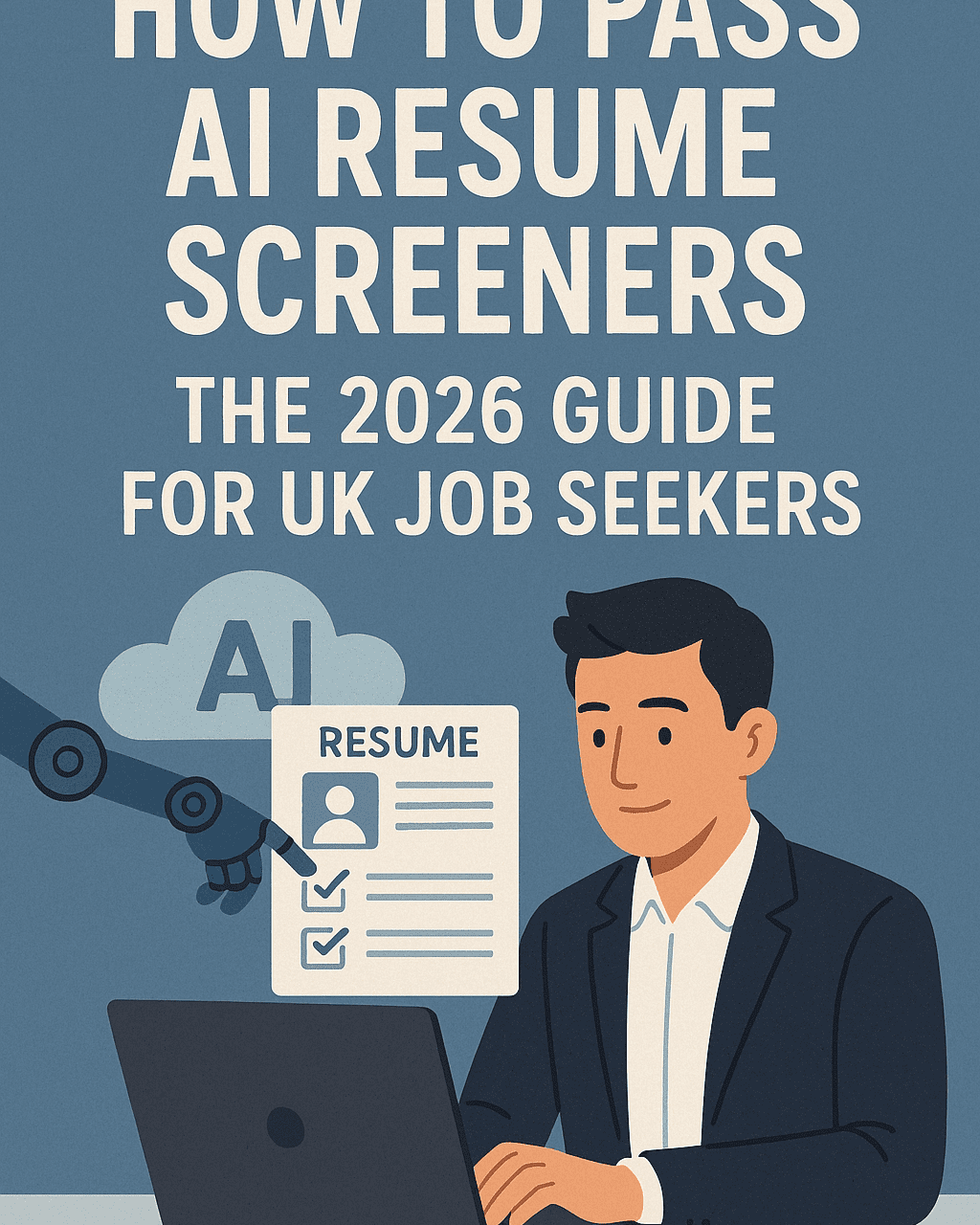
In 2026, the UK job market will have reached a digital tipping point. Whether you are applying for a role in London’s fintech hub or a healthcare position in Manchester, your CV is likely being read by an AI before it ever reaches a human recruiter.
For owners of career sites and job seekers alike, understanding these “automated gatekeepers” is the difference between an interview invite and an instant rejection. Here is how to optimise your application for the modern AI landscape.
1. Understanding Semantic Matching (The Death of Keyword Stuffing)
By 2026, old-school Applicant Tracking Systems (ATS) that simply count keywords will be obsolete. Modern AI screeners use semantic matching.
-
What it is: The AI understands context. It knows that “Project Management” is related to “Agile Methodologies”, “Stakeholder Engagement”, and “Prince2”.
-
The Strategy: Instead of repeating the same word ten times (which now triggers “spam” red flags), use a natural variety of industry-related terms. Describe your achievements using the language found in the job description, but don’t copy-paste it exactly.
2. Formatting for Machine Vision
While “creative” CVs with two-column layouts, skill bars, and heavy graphics look great to humans, they are a nightmare for AI parsers. In 2026, AI tools “flatten” your CV into plain text to analyse it. If your layout is complex, your data becomes a jumbled mess.
-
Use Standard Headings: Stick to “Professional Experience, “Education”, and “Skills”. Avoid creative titles like “My Journey” or “Where I’ve Been”.
-
Ditch the Headers and Footers: AI parsers often skip these entirely. Put your contact details in the main body of the document.
-
The Best File Format: Unless specified otherwise, a .docx (Word) file is still the most reliably parsed format in 2026, followed by a text-based (not scanned) PDF.
3. The Power of “Quantitative Impact”
AI screeners are programmed to look for Hard Evidence. Vague statements like “Experienced in sales” carry low value.
Use the Formula: [Action Verb] + [Quantifiable Task] + [Measurable Outcome]
-
Weak: “Helped increase company revenue.”
-
AI-Optimised: “Streamlined client onboarding using CRM tools, resulting in a 22% increase in quarterly revenue and a 15% reduction in churn rate.”
4. Addressing UK-Specific Compliance (Right to Work)
In 2026, UK employers face stricter penalties for compliance errors. Many AI screeners now automatically filter candidates based on “Right to Work” indicators.
-
Pro Tip: If you have a valid UK work visa or are a British/Irish citizen, state this clearly in an “Eligibility” or “Personal Summary” section. It prevents the AI from flagging you as a high-risk/complex hire if the role doesn’t offer sponsorship.